
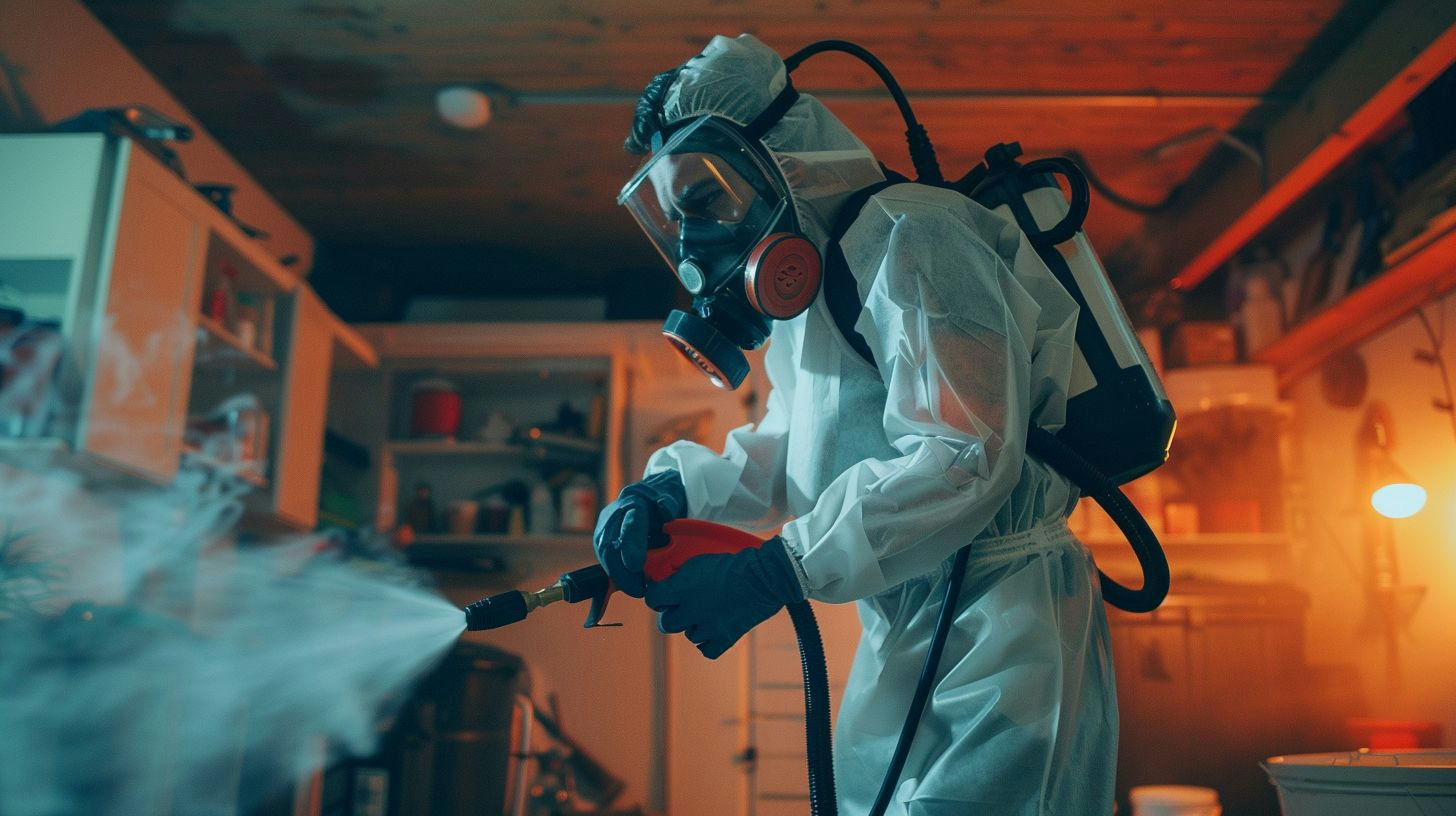
A cockroach exterminator who arrives with a spray tank and nothing else should worry you more than reassure you. Many roach populations now resist the insecticides in common sprays, and spraying can push the survivors deeper into the walls or into the unit next door.
Waiting is not a safe option either. A single German cockroach egg case holds about 30 young, so a handful of roaches in the kitchen can become a breeding population within weeks. Professionals stay ahead of that breeding with slower, quieter tools than most people expect, and every one of them depends on first finding exactly where the roaches hide.
What Does a Cockroach Exterminator Do?
A cockroach exterminator finds where roaches hide, identifies the species and treats those hiding spots with baits and targeted products, then comes back until the infestation is gone. Health Canada notes that cleaning and pesticides must be used together: pesticides alone will not succeed if roaches still have easy access to food, water and shelter. A good professional treats your home and also tells you what to change in it.
Inspection
Inspection is the first step of every cockroach treatment. The technician checks kitchens, bathrooms, cabinets, the backs of appliances and plumbing lines, often with a flashlight, a mirror and monitoring traps, to find the harbourage (the cracks and voids where roaches cluster) and the routes they travel. A thorough inspection decides where the bait goes, so a visit that skips it and goes straight to spraying is a warning sign.
Species Identification
Species identification matters because each cockroach behaves differently. In Canada, the main household species are usually German, American, brown-banded and Oriental. The German cockroach is the most common indoors. Health Canada describes it as tan to light brown with two dark stripes behind the head, about 1.3 cm to 1.6 cm long. Brown-banded cockroaches are especially hard to control with baits, according to UC IPM, so a pro may adjust the plan. Our cockroach identification guide covers each species in detail.
Monitoring Traps
Monitoring traps are sticky traps that show where roaches are active and how many there are. UC IPM calls them the best way to detect and monitor a population, and a technician compares the catch before and after treatment to measure progress. Traps are a measuring tool, not a cure: they usually catch a small share of the roaches in your walls.
Gel Bait Treatment
Gel bait treatment is the core of modern cockroach control. The technician places small dabs of gel bait in cracks and crevices close to where roaches hide. Roaches eat it and die over the next few days, often back in their hiding spots. Health Canada says bait stations kill about 48 to 96 hours after the roach eats the active ingredient, and UC IPM notes that most baits are slow acting, so an effective program may take 7 days or longer. Bait works best when roaches have nothing else to eat, which is why cleaning up food matters so much.
Bait Rotation
Bait rotation means switching to a bait with a different active ingredient or formula when roaches stop responding. Researchers at NC State found that some German cockroaches have evolved to dislike glucose, a sugar used in many baits, and NC State Extension notes this can confound German cockroach management. A 2019 Purdue study in Scientific Reports found that rotating products reduces resistance pressure when the insecticides still work on the local population. In Halifax, pest control operators reported in 2020 that cockroaches were becoming resistant to fipronil, and Penn State Extension notes cockroaches have become increasingly resistant to baits and gels. A professional can recognise bait refusal and change products, something that is hard to do with store shelves alone.
Insecticide Dusts
Insecticide dusts reach places gel cannot, such as wall voids, the space behind cabinets and gaps around pipes. Common dusts include boric acid, silica and diatomaceous earth, which damage or dry out the roach. Penn State notes that dusts should be applied lightly, because heavy deposits can repel roaches, and kept away from children and pets.
Insect Growth Regulators
Insect growth regulators (IGRs) stop young roaches from becoming adults that can breed. They do not kill quickly: UF/IFAS says it can take weeks for a noticeable drop in the population. Professionals often pair them with baits so the adults die while the next generation fails to develop. This matters with German cockroaches, because UC IPM notes that one female and her offspring can produce over 30,000 roaches in a year.
Follow-Up Visits
Follow-up visits are part of any serious cockroach treatment, because some roaches escape the first round: UC IPM notes that females carrying egg cases feed little and are less affected by baits. On each return, the technician rechecks the traps, adds or replaces bait and treats new activity. Orkin Canada says infestations typically need two to three visits over four to six weeks. Ask how many visits your quote includes before you book.
Can You Do Cockroach Control Yourself?
Cockroach control at home can handle a few roaches if you combine cleaning, baits and monitoring, but sprays and foggers rarely solve an established infestation. If you only see the odd roach and act quickly, the steps below may be enough. If roaches keep appearing after a few weeks, a professional has stronger tools.
Why Sprays Make Roaches Harder to Control
Sprays make roaches harder to control because many roaches are now resistant to the insecticides in common sprays and aerosols, according to UC IPM. A spray kills the roaches it touches, but UC IPM notes it may also repel the rest and disperse them to other areas of the building. Penn State adds that residual sprays inside a home are of little value against German cockroaches. Spraying near bait is even worse: UF/IFAS warns it can make roaches avoid the bait.
Why Bug Bombs Do Not Work
Bug bombs (total-release foggers) do not work well because, according to UC IPM, they do not reach the cracks and voids where roaches hide. UC IPM also warns that foggers can be hazardous to the people and pets in the home, and the University of Kentucky notes their ingredients may be flammable near open flame. Skip them.
Store-Bought Baits
Store-bought baits are the most useful DIY tool. Choose bait stations or gel labelled for cockroaches, place them close to hiding spots, and keep them out of reach of children and pets. UC IPM notes that stations hold the insecticide in a tamper-resistant container, which reduces exposure. Check the label for a PCP number, which shows that Health Canada has registered the product, and follow every direction on it. Our best cockroach killer roundup compares the options.
Cleaning Between Treatments
Cleaning between treatments removes the food and water that compete with bait. Health Canada recommends wiping up spills right away, storing food in sealed plastic or glass containers, taking garbage out daily, not leaving dishes overnight and fixing leaky taps and pipes. Seeing roaches does not mean your home is dirty: Health Canada points out that they often arrive in boxes, used furniture or grocery items. For a full routine, see how to prevent roaches in the kitchen.
Sealing Cracks
Sealing cracks with caulk around pipes, cabinets and baseboards removes hiding places and cuts off routes between rooms or units. Health Canada also suggests fine mesh screens over vents and drains.
When Should You Call a Roach Exterminator?
A roach exterminator is worth calling when roaches show up in daylight, keep coming back after DIY treatment, or live in a building you share with other units. These situations usually mean a larger population than baits from the store can reach.
Roaches in Daylight
Roaches in daylight are a sign of a heavy population. Cockroaches are active at night, and Penn State notes that daytime sightings suggest a large infestation or roaches under stress. A strong unpleasant odour, droppings and shed skins point the same way. Our guide on how many cockroaches is an infestation helps you judge the size of the problem.
Multi-Unit Buildings
Multi-unit buildings need professional treatment because roaches can spread from one unit to the next. The Government of Manitoba warns that chemicals sold in stores may spread cockroaches to other units, as Penn State Extension also notes, and says licensed technicians can apply products not sold to the public. If you rent, tell your landlord right away: in Manitoba, for example, the landlord generally must keep units pest-free once told, and tenants must cooperate with the treatment plan. Rules differ by province, so check your local tenancy office.
Failed DIY Treatments
Failed DIY treatments are a clear reason to call. If you have used baits and cleaned carefully for several weeks and still see roaches, they may be avoiding your bait or resisting its active ingredient. A professional can identify the species, find the main harbourage and switch products.
Asthma at Home
Asthma at home is a reason not to wait. Health Canada says people with asthma may react to cockroach droppings and body parts, and UC IPM identifies indoor infestations as a risk factor for asthma in children, especially in multi-unit housing. Roaches can also carry germs from garbage and drains to food surfaces. To understand the signs and risks, read our guide to cockroach infestations.
How Do You Choose a Cockroach Pest Control Company?
A good cockroach pest control company holds a provincial licence, uses products registered by Health Canada and explains a clear plan with follow-up visits. Use the points below to compare quotes.
Provincial Licence
Provincial licences are required to apply pesticides for hire, and each province sets its own rules. In Ontario, for example, the person doing the work needs an exterminator licence (the Structural class covers buildings), and the business generally needs an operator licence with a licensed exterminator in charge. Ask for the licence number and check it with your province's environment ministry.
Registered Products
Registered products carry a PCP registration number on the label, which shows Health Canada has registered them under the Pest Control Products Act. Health Canada advises asking the applicator which registered pesticides will be used. Avoid any company that will not name its products.
Treatment Plan
A treatment plan tells you what will be done, where and when. Health Canada suggests asking about the preparation, the treatment plan and the registered products. Useful questions to ask:
- What species do I have, and how did you confirm it?
- Will you use gel bait, dust, IGRs or sprays, and where?
- Do my family and pets need to leave, and for how long?
- How many follow-up visits are included?
- What should I avoid doing between visits?
- What happens if the roaches come back?
Guarantees
Guarantees vary a lot between companies. Some, such as Orkin Canada, advertise re-treatment at no extra cost if roaches return, with terms that differ by program. Read the conditions and get them in writing.
Cost
Cockroach extermination prices vary with the size of your home, the species and how widespread the infestation is. As one example, Pesticon, a Toronto area company, lists $175 to $350 for a standard residential treatment, but prices vary by company and region. UF/IFAS recommends getting estimates from several reputable firms. For a breakdown, read our guide to cockroach extermination costs, or get a quote from a recommended local exterminator through Pest Agent's referral form.
What Happens After a Cockroach Exterminator Visits?
After a cockroach exterminator visits, you may see more roaches for a day or two, then activity usually drops steadily over the next few weeks. Knowing what is normal helps you avoid undoing the treatment.
Preparing Your Home
Preparing your home lets the technician reach every hiding spot: clear under sinks, give access to cabinets and closets and store food away. Some cockroach baits contain allergens such as peanut butter or shellfish, so mention any allergies before the visit. Our checklist on what to do before roach treatment covers each room.
More Roaches for a Few Days
More roaches for a few days is normal after baiting. Abell Pest Control explains that you may see more activity for 1 to 2 days after treatment, because roaches come out of hiding to feed on the bait. Do not spray them: let them reach the bait.
How Long Results Take
Results usually take a few weeks. Abell Pest Control says bait reduces activity to very low levels within about 2 to 4 weeks, and the University of Kentucky notes a substantial reduction should be apparent within a few weeks. Larger infestations need the full series of follow-up visits.
Keeping Baits Working
Keeping baits working means leaving them alone. Do not use other insecticide powders, sprays or cleaning products near the bait, and keep food sealed so the bait is the easiest meal around. Ask your technician exactly where the bait was placed so you know which spots to leave alone.
Preventing a Return
Preventing a return comes down to the same habits that make bait work: sealed food, dry sinks, sealed cracks and checking boxes and used furniture before they come inside. Our guide on how to prevent cockroaches lists every step, and the cockroach hub gathers all our cockroach guides.
Frequently asked questions
How many treatments does it take to get rid of cockroaches?
Most homes need more than one visit, because females carrying egg cases feed little and often escape the first round of bait. Orkin Canada says infestations typically need two to three visits over four to six weeks. Heavy infestations or apartment buildings may need more.
Do I have to leave my home during cockroach treatment?
It depends on the products used. When only bait is used, Abell Pest Control says you and your pets do not need to leave; the University of Kentucky says baits are of minimal hazard to children or pets. If sprays or dusts are applied, ask the technician how long to stay out and follow the product label.
Why am I seeing more cockroaches after the exterminator came?
Seeing more cockroaches for a day or two after baiting is normal. The bait draws roaches out of hiding to feed. Activity should fall over the following weeks, and if it does not, call the company back.
Is it worth hiring an exterminator for cockroaches?
For a few roaches you can often succeed with baits and cleaning. For roaches seen in daylight, an apartment infestation or roaches that survive weeks of DIY treatment, a licensed professional has stronger products, better placement and follow-up visits that make the difference.
Do exterminators use sprays for cockroaches?
Some do, but sprays are no longer the main tool. University extension services such as UC IPM explain that many roaches resist common sprays and that sprays can scatter them. Most professionals rely on gel baits, dusts and insect growth regulators, with targeted crack and crevice treatments where needed.
Dealing with cockroaches right now?
Answer a few short questions and we pass your request to a pest control company ranked near you.
Get a free quote