
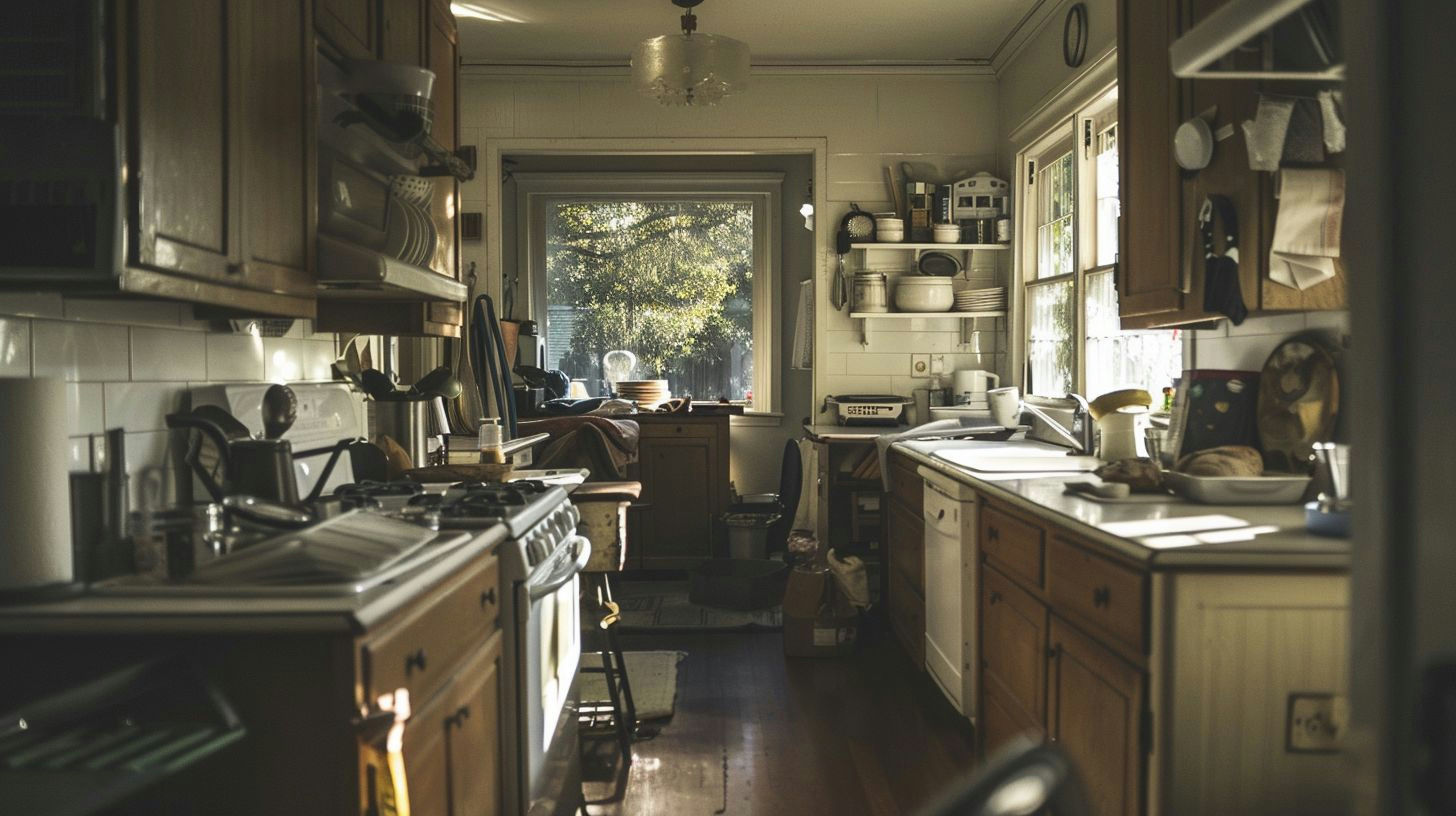
Cockroach treatment preparation often goes wrong in a well-meaning way: the night before the exterminator comes, people scrub the kitchen with bleach or vinegar and finish with a store-bought insecticide. Montréal's municipal housing office tells tenants to skip all three, cleaners near bait can weaken what the technician puts down, and UC IPM warns that sprays may disperse cockroaches to other areas.
Hot water, dish soap, emptied cupboards and food sealed in containers do far more for the visit. Every crumb left on a counter is a meal that competes with the bait, and every pile of boxes is a hiding spot the product never reaches.
Why Does Cockroach Treatment Preparation Matter?
Cockroach treatment preparation matters because products only work when they reach the cockroaches' hiding spots and the cockroaches have nothing better to eat. A licensed technician can usually treat only what they can reach, and every crumb you leave out competes with the bait.
Competing Food Weakens Treatment
Competing food is the main reason a cockroach treatment underperforms. Health Canada states that pesticides alone will not be successful, because the living environment must be physically changed first. UC IPM adds that removing other food sources greatly enhances the effects of baits, so baits may work more slowly when cockroaches can still reach food. In practice, that means a clean kitchen with sealed food on treatment day, and every day after.
Clutter Hides Cockroaches
Clutter gives cockroaches places to hide where products cannot reach them. University of Toronto Family Housing asks for units to be thoroughly cleaned before any pest control treatment and notes that clutter makes pests harder to control. The Office municipal d'habitation de Montréal (OMHM) puts it simply in its tenant guide: make room, because the exterminator needs to move around easily. Piles of paper, bags and cardboard boxes in the kitchen and bathroom are the first things to go.
Spray Versus Bait Preparation
Spray and bait treatments need different preparation, so ask which method is planned before you start. Abell Pest Control, a Canadian company, uses two separate prep forms. For a residual spray, cupboards, pantries and drawers are usually emptied completely to prevent contamination (University of Kentucky), and you and your pets must leave the home. For bait only, you mainly give access to the back of cabinets and under the sinks, and you do not need to leave. Orkin Canada also says that, for homes, leaving during treatment is generally not needed. Whatever the method, your company's own prep sheet comes first: use the steps below to fill the gaps.
Preparation in a Rental Unit
Preparation in a rental unit is a shared job between the tenant and the landlord. In Manitoba, tenants should tell the landlord right away, cooperate with the treatment plan and follow the landlord's or exterminator's directions to get ready. Landlords should give written instructions and enough time, and generally must give a minimum of 24 hours written notice before entering. If a tenant does not prepare, the landlord may refuse to treat the unit and may claim the extra costs. In Montreal, public health advises tenants to notify the owner, who is usually responsible for the problem, and to prepare the home according to the professional's recommendations. The OMHM warns its tenants that the exterminator will not be able to do the treatment in an unprepared apartment.
How to Prepare for Cockroach Treatment, Room by Room
How to prepare for cockroach treatment comes down to emptying, cleaning and opening up the rooms where cockroaches live, starting with the kitchen. Health Canada describes the German cockroach as one of the most common household cockroaches and notes that warm, damp areas such as kitchens and bathrooms attract cockroaches, so those two rooms get most of the attention.
Cockroach Extermination Preparation Checklist
Cockroach extermination preparation follows the same order in almost every home. Use this list the day before the visit:
- Ask the company for its prep sheet and whether the treatment is a spray, bait or both.
- Empty kitchen cabinets, drawers and the pantry, and clear the counters.
- Seal all food in airtight plastic or glass containers or put it in the refrigerator.
- Pull the refrigerator and stove away from the wall if you safely can.
- Wash the kitchen with hot water and dish soap, including behind appliances.
- Empty the bathroom vanity and the cabinet under the sink.
- Clear closets or other rooms where you have seen cockroaches.
- Take out the garbage and recycling.
- Plan for pets, fish tanks, children's toys and anyone with allergies.
- Do not spray, fog or clean with strong products before the technician arrives.
Kitchen Cabinets and Drawers
Kitchen cabinets and drawers need to be emptied so the technician can treat the cracks and corners inside them. Empty the cupboards, the pantry and the drawers of cutlery, towels and utensils, and clear off the counters. Abell asks clients to keep removed items inside the kitchen and covered, for example on the kitchen table, so cockroaches hiding in them do not spread to other rooms. The OMHM suggests keeping out only what you need to eat, such as 1 plate, 1 cup, 1 glass, 1 fork, 1 knife, 1 spoon and 1 or 2 pans. Put the rest of your dishes in plastic bags or plastic containers.
Food Storage
Food storage before treatment means every item is sealed or refrigerated. Health Canada recommends tightly sealed plastic or glass containers, not paper or cardboard. The OMHM adds fruits and vegetables, and potatoes, onions and garlic, to the refrigerator, and tells tenants not to use cardboard boxes. UF/IFAS notes that cockroaches can breed prolifically in corrugated cardboard boxes. If you are still finding cockroaches around food, our guide on cockroaches in the kitchen covers the hot spots.
Appliances
Appliances hide some of the biggest cockroach populations, in the warm spaces behind and underneath them. If you can do it safely, pull the refrigerator and stove away from the wall so the technician can reach those areas, and clean the floor and walls behind them. While you are there, look under the sinks for leaks and tell your landlord or the technician if you find one. UF/IFAS calls water one of the most important factors in cockroach survival, so fixing leaks is part of the treatment too.
Cleaning the Kitchen
Cleaning the kitchen before treatment removes the grease, crumbs and spills that compete with the products. The OMHM tenant guide lists the inside and outside of cabinets and drawers, the top of the refrigerator, the walls, the range hood and its filter, the oven, the counters, behind all appliances and the floor, all washed with hot water and dish soap. It also says not to use vinegar, bleach or insecticides; UC IPM notes sprays do not provide long-term control. Some American prep sheets do mention bleach, so if your company's sheet says something different, follow it.
Bathroom
Bathroom preparation follows the same idea on a smaller scale. Empty the cabinet under the sink and the vanity drawers, clear everything off the counter around the sink, and put those items in plastic bags or containers. Then wash the sink, tub, toilet and floor with hot water and dish soap.
Other Rooms With Activity
Other rooms with cockroach activity need to be opened up too. Abell asks clients to clear the floors and shelves of any closet where cockroaches have been seen (clothes on hangers can stay) and to make the furnace room accessible. If you are not sure where they are hiding, our guide on how to find cockroaches lists the usual spots so you can point them out to the technician.
Garbage
Garbage should leave the home before the visit. Take out the garbage and recycling, use small plastic bags that you close securely, as the OMHM recommends, and keep emptying the bins often. Health Canada advises storing garbage in sealed containers and getting rid of it daily.
What Not to Use Before the Visit
Store-bought sprays and foggers should stay on the shelf before a professional treatment. Manitoba's government advises against using chemicals yourself, warning that they may make the problem worse, and UC IPM says to avoid foggers, bombs and aerosol sprays. UC IPM notes that sprays can scatter cockroaches to other parts of the building and that foggers often fail because they do not reach the crevices where cockroaches hide. If you have decided to handle a small problem yourself instead of hiring a professional, see our roundup of the best cockroach killer.
How Do You Protect Pets, Children and Family During Treatment?
Protecting your household during cockroach treatment means moving pets, food bowls, toys and people away from treated areas for the time the technician gives you.
Pets and Pet Bowls
Pets and their bowls should be out of the treatment area. Remove pet food and water dishes before the technician starts, and keep dogs, cats, birds, reptiles and small pets in an untreated room or out of the home if a spray is used. Orkin Canada describes covering pet bowls as one of the temporary precautions on its prep sheet. After the visit, avoid leaving pet food and water out all day, as Health Canada recommends.
Fish Tanks
Fish tanks can usually stay, but they need protection. Cover the tank, and turn off the pump or air filter during the treatment, as both the City of Albuquerque checklist and Abell recommend. Some companies ask for an airtight plastic cover, so check your prep sheet.
Children's Toys
Children's toys should be picked up and put away from the areas that will be treated, along with anything else children play with. UC IPM advises placing gel bait in cracks and crevices, and bait stations go where cockroaches are active, so nothing children handle should be left near baseboards or under sinks.
Allergies and Health Conditions
Allergies and health conditions are worth mentioning when you book. Abell notes that some cockroach products contain allergens such as peanut butter and shellfish, so tell the technician about any food allergy in the home. People with asthma, other breathing problems or chemical sensitivity should ask how long to stay away, and Abell suggests talking to your family physician if you are concerned about re-entry time. Health Canada advises seeking medical attention right away if anyone, including a pet, has health problems after an application (the National Pesticide Information Center can also help).
How Long to Stay Out
How long you stay out depends on the method. After a spray, Abell says a 4-hour window is typically enough, the City of Albuquerque checklist gives 2 to 4 hours, and University of Toronto Family Housing asks residents to leave for 1 to 2 hours, with longer times for people with sensitivities. With bait only, you and your pets usually do not need to leave; baits are of minimal hazard to pets (University of Kentucky). Your technician's re-entry time always wins over any general rule.
What Happens During a Cockroach Treatment?
A cockroach treatment starts with an inspection and then targets the cracks and crevices where cockroaches hide. For a full overview of how professionals work, see our guide to cockroach exterminators.
Inspection
The inspection is where the technician finds the nests and the conditions feeding them. Orkin Canada describes starting every program with an inspection of food and moisture access and clutter. Manitoba's government says licensed professionals can locate nesting and breeding areas and explain the sanitation steps you need to follow. Point out every place you have seen cockroaches, including closets and the furnace room.
Treatment Methods
Treatment methods usually combine several products. Orkin Canada lists baits, insect growth regulators (IGRs), dusts and residual treatments. Health Canada notes that residual crack and crevice products are the most commonly used registered products, and that tamper-proof bait stations kill cockroaches about 48 to 96 hours after they eat the active ingredient. IGRs work differently: they can stop the reproduction cycle, so the population usually drops over several weeks rather than overnight.
Questions to Ask Before the Visit
Questions to ask before the visit save you from surprises. Health Canada suggests asking about the preparation, the treatment plan and the registered pesticides that will be used. Useful questions include:
- Is the treatment a spray, bait or both, and do I need to leave?
- When can people, pets and food go back into the treated rooms?
- Which products will you use, and what are their PCP registration numbers?
- How many visits are included, and is there a follow-up or re-treatment?
A Pest Control Products (PCP) number on the label means Health Canada has registered the product for use in Canada. If you are still choosing a company, our guide to cockroach extermination costs explains what affects the price, and you can get a quote from a recommended local exterminator through Pest Agent's referral form.
What Should You Do After a Cockroach Treatment?
After a cockroach treatment, your job is to leave the products alone, keep food sealed and let the treatment work for several weeks.
Returning Home
Returning home should wait until the re-entry time your technician gave you. Once it has passed, you can put kitchen items back. Abell notes that after a bait-only treatment, items can go back right away, and the University of Kentucky says baits usually do not require emptying kitchen cabinets. Do not move or touch the traps, monitors or bait stations the technician placed: they were put there on purpose.
Cleaning After Treatment
Cleaning after treatment needs a lighter touch than cleaning before it. Wash dishes and the surfaces you eat from with soap and water, but do not wash the cracks, crevices and other treated surfaces. Abell warns that using cleaning products or other pest control powders and sprays near treated areas or bait decreases or eliminates the treatment's effect, and UF/IFAS advises never spraying a liquid insecticide where baits have been applied. Keep wiping up spills and crumbs right away, because clean surfaces push cockroaches toward the bait.
Dead Cockroaches
Dead cockroaches should be picked up quickly. University of Toronto Family Housing asks residents to dispose of dead roaches right away in sealed double bags, because eggs can still hatch after a cockroach dies. A vacuum with a HEPA filter is a good tool for this, since UC IPM notes that cockroach skins and droppings can trigger allergies when they become airborne. Seal what you vacuum up in a bag and put it straight into the garbage.
More Cockroaches After Treatment
Seeing more cockroaches after treatment is normal for the first few days. Abell explains that activity can increase for about 1 to 2 days after a bait treatment because cockroaches come out of hiding to feed. University of Toronto Family Housing notes the same thing after its treatments. Resist the urge to spray them: let them reach the bait.
How Long Treatment Takes to Work
Treatment takes several weeks to work, not a few hours. UC IPM says an effective bait program may take 7 days or longer, Abell expects activity to drop to very low levels within approximately 2 to 4 weeks, and UF/IFAS notes that IGRs can need four to six weeks for a noticeable decrease. Orkin Canada says most infestations usually require two to three visits over four to six weeks. To track progress, Manitoba suggests placing glue boards under sinks, beside the refrigerator and in closed cupboards. If you are not sure how bad your problem was to start with, our guide to cockroach infestation signs can help.
Keeping Cockroaches Away
Keeping cockroaches away after treatment relies on the same habits as the preparation. Health Canada recommends sealing and caulking cracks, crevices and pipe openings, fixing leaky taps and pipes, storing food in sealed containers, taking out garbage daily and vacuuming often. Our full guide on how to prevent cockroaches covers each step, and the cockroach hub gathers all our cockroach guides in one place.
Frequently asked questions
Do I have to leave my house when the exterminator sprays for roaches?
Usually yes for a spray, and usually no for bait only. Prep sheets from Canadian and American companies give times from 1 to 2 hours up to about 4 hours after a spray, longer for people with breathing problems or sensitivities. Always follow the re-entry time your technician gives you.
Should I clean before or after roach treatment?
Clean thoroughly before the treatment, then clean lightly after it. Before the visit, wash the kitchen and bathroom with hot water and dish soap and remove all food and clutter. After the visit, wash dishes and eating surfaces, but keep cleaning products away from treated cracks and bait.
Why am I seeing more roaches after treatment?
Cockroaches often come out of hiding for a day or two after treatment, either to feed on the bait or because the products disturb them. This is normal and usually means the treatment is reaching them. If activity has not dropped after a few weeks, call the company back.
Do I need to empty my cabinets for a roach treatment?
For a spray treatment, yes: kitchen cupboards, drawers, the pantry and the bathroom vanity are usually emptied, which the University of Kentucky says prevents contamination by the insecticide. For bait only, many companies only ask you to give access to the back of cabinets and the area under the sinks. Check your company's prep sheet.
What happens if I do not prepare my apartment for the treatment?
The exterminator may refuse to treat the unit or may only be able to use bait, which slows the results. In Manitoba, a landlord may be able to refuse to treat an unprepared unit and may claim the extra costs from the tenant.
Dealing with cockroaches right now?
Answer a few short questions and we pass your request to a pest control company ranked near you.
Get a free quote